
Can I Work in Fashion With an Alternative Style?
Introduction
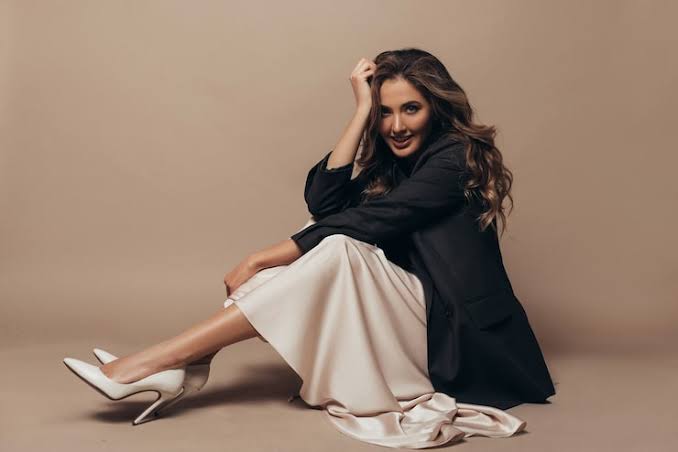
The fashion industry has long been associated with a certain polished, conventional image. Yet if you scroll through Instagram or browse the portfolios of emerging designers, you will quickly notice that the industry is far more diverse than the runway stereotypes suggest. For those with an alternative style—whether goth, punk, vintage, grunge, or simply outside the mainstream—the question of whether they can build a career in fashion is both personal and practical. This guide explores how your distinctive aesthetic can become an asset and what you need to know to navigate the professional fashion world without losing your identity.
Does Alternative Style Prevent You From Working in Fashion?
The short answer is no. Having an alternative personal style does not automatically prevent someone from pursuing a fashion career. However, it is important to understand that the industry encompasses a wide range of workplaces, from corporate luxury houses and retail chains to independent streetwear labels and creative studios. Each environment has its own culture and expectations .
Fashion companies that cater to alternative aesthetics are actively looking for people who genuinely understand the culture. Established brands like Dolls Kill hire freelance apparel designers who can design specifically for goth, punk, rave, and festival aesthetics. They look for portfolios demonstrating range across those categories . Similarly, alternative streetwear brands seek graphic designers who have a strong background in goth, punk, grunge, and tattoo culture. For these employers, your personal style is not an obstacle but a qualification . The key is understanding the difference between personal expression and professional conduct.
Why Alternative Style Can Be an Advantage
Rather than viewing your style as something to hide, consider what it communicates. A distinctive aesthetic often signals creativity, confidence, visual awareness, and knowledge of subcultural trends. Brands and clients targeting alternative consumers value these qualities. Your appearance can demonstrate that you understand the customer and can speak the visual language of the brand .
The fashion industry is increasingly responding to the desire for individuality. In modelling, for instance, brands increasingly seek personalities rather than perfection, and individuality now attracts attention . This is particularly true for streetwear, independent labels, and music-related fashion.
Fashion Careers That May Suit Alternative Styles
There are many career paths where your aesthetic perspective can be a clear advantage:
- Fashion Designer: You can use your perspective to develop distinctive collections. Alternative fashion designers often find niches in streetwear, goth, punk, or vintage-inspired clothing. Starting a label is another route, but it also requires business skills, sourcing, production, and sales .
- Graphic or Apparel Designer: Alternative streetwear brands are always looking for designers who understand the aesthetic of their subculture. This role creates prints, logos, and artwork for garments .
- Fashion Stylist: Stylists create visual stories for editorial shoots, celebrity looks, campaigns, and music videos. Your knowledge of alternative aesthetics can set you apart for clients who want authenticity .
- Fashion Content Creator or Copywriter: You can build a following by showcasing your personal style and fashion knowledge. Fashion copywriters build the narratives that help audiences connect with a brand .
- Fashion Buyer: Buyers select products for stores and online platforms based on market research and an understanding of what customers want. This role suits those who love fashion and have a strong product sense .
- Makeup Artist, Hair Stylist, or Model: Editorial, runway, music, and alternative fashion projects often require these skills, and a distinctive look is often valued .
Does Your Style Need to Match the Company?
This depends on the workplace. Some workplaces have dress codes or expectations, while others encourage individuality . At independent labels or alternative brands, your personal aesthetic is often an asset. In more traditional or client-facing positions, you may need to adapt while keeping elements of your identity.
How to Stay Professional Without Losing Your Style
Practical strategies can help you maintain your identity while respecting professional boundaries. One approach is to keep your clothing clean and well-maintained and dress appropriately for the workplace. For example, wearing a pair of Doc Martens with a suit can add a personal touch while remaining office-appropriate . Some people use clear retainers for piercings or switch to more natural hair colors while at work, using temporary options to keep their style . Researching the company culture before applying can help you understand what is acceptable and choose environments that align with your values .
Build a Portfolio That Shows Your Creativity
A strong portfolio is often more persuasive than personal appearance. Whether you are a designer, stylist, or content creator, your portfolio should demonstrate your skills, creativity, and understanding of your target audience . Include styling projects, photography, mood boards, editorial shoots, or personal projects that reflect your unique perspective. For graphic designers, a portfolio with five designs that fit a specific alternative aesthetic is often more valuable than fifty unrelated projects .
How to Find Fashion Jobs That Match Your Aesthetic
Researching brands before applying is key. Identify companies whose aesthetic aligns with yours and follow their job postings. Use social platforms to showcase your work and connect with photographers, designers, and other creatives in your area . Look for internships and entry-level creative roles that provide exposure to the industry.
Conclusion
Your alternative style does not prevent you from working in fashion. The industry includes many creative communities and career paths where individuality is genuinely valued. Long-term success comes from combining personal expression with relevant skills, experience, professionalism, and a strong portfolio. The goal is not to hide who you are, but to learn how to present yourself effectively within different professional environments. Whether you are designing collections, creating content, or styling shoots, your unique perspective can be your greatest asset.



 Hair and Skin Care Pet Face Oils 100 ml