

Is Renting a Camera Worth It vs. Buying?
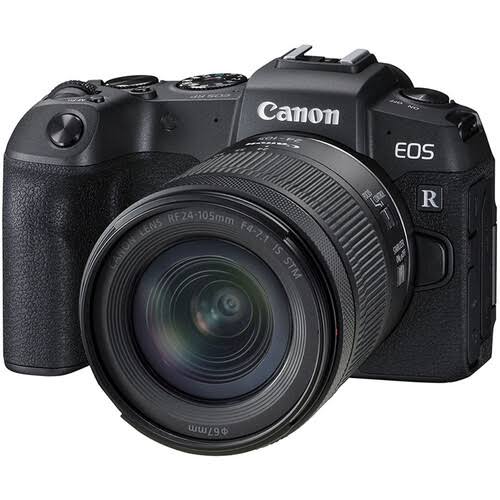
Renting a camera can be worth it if you only need it for a short project or want to test a model before committing to a purchase. Buying makes more sense when you will use the camera regularly over months or years. The right choice depends on your shooting frequency, budget, and how specialized your equipment needs are. To decide, compare the total rental cost against the full cost of ownership—not just the sticker price.
Is Renting a Camera Cheaper Than Buying?
The basic calculation is simple: purchase price ÷ rental price per day = approximate break-even rental days. If you rent more days than the break-even point, buying may be cheaper.
But ownership involves more than the camera body:
- Depreciation
- Insurance
- Maintenance
- Accessories (lenses, batteries, memory cards)
- Storage
- Resale value
A camera that costs $2,000 and rents for $50/day breaks even at 40 days. If you shoot 20 days per year, renting costs $1,000 annually, while buying costs $2,000 upfront plus ongoing expenses. After two years, buying may be more economical—if you actually use it.
When Does Renting a Camera Make Sense?
Renting is practical for:
- One-time events: Weddings, concerts, or shoots where you need a specific camera for a day or weekend.
- Travel: A trip where you want a better camera than your phone but don’t want to buy one.
- Short films or student projects: A production that lasts days or weeks.
- Testing before buying: Rent the model you’re considering to see if it suits your workflow.
- Specialized gear: Cinema cameras, high-end lenses, or equipment you’ll use once.
In Pakistan, platforms like The Rental Bazaar allow camera rentals across major cities without commissions . Studios like Daftarkhwan in Lahore and Rawalpindi rent a Sony A6400 with lens, mics, and tripod for Rs. 6,500 per hour .
When Does Buying a Camera Make More Sense?
Buying is often better for:
- Frequent professional work: Daily or weekly shoots justify ownership.
- Content creation: Regular YouTube or social media production.
- Long-term projects: Multi-month documentaries or ongoing client work.
- Building a workflow: Using the same camera, lenses, and accessories repeatedly.
A Canon 2000D with 18-55mm lens costs around Rs. 76,999 in Pakistan . A Canon 250D with lens runs Rs. 179,500 to Rs. 224,999 depending on the retailer . These are entry-level options for beginners.
Don’t Forget the Cost of Lenses and Accessories
The camera body is often only part of the budget. Lenses, batteries, memory cards, bags, tripods, lighting, microphones, and gimbals add up quickly. Renting an entire kit for a specific project can be more practical than buying every component.
For example, a Blackmagic Pocket Cinema Camera 4K package rents for $40/day in Los Angeles . A Sony FX30 with batteries and cage rents for $46/day . Buying those cameras outright would cost $1,000–$2,500+.
How Much Can You Save by Renting?
Calculate your own break-even point using actual numbers:
Hypothetical example:
- Camera purchase price: $2,000
- Rental price: $50 per day
- Break-even: 40 rental days
If you shoot 10 days per year, renting costs $500 annually. Buying costs $2,000 upfront. After four years, renting costs $2,000—the same as buying, but without depreciation or maintenance. If you shoot 30 days per year, buying becomes cheaper after 1.3 years.
This is illustrative only. Real prices and rental rates vary by model, location, and provider.
Renting vs. Buying for Different Users
- Beginners: Renting lets you try different cameras before committing. Buying an entry-level DSLR like a Canon 2000D is affordable if you’re ready to learn .
- Hobby photographers: Renting for trips or events may be enough. Buying makes sense if you shoot regularly.
- Students: Renting for projects avoids tying up money in gear you’ll outgrow.
- Travel photographers: Renting specialized gear for a trip may be cheaper than buying.
- Wedding photographers: Ownership is standard—you need reliable, familiar equipment.
- YouTubers/content creators: Buying a camera you use weekly pays off quickly.
- Professional videographers: Owning core gear is typical, but renting specialized cinema cameras for specific jobs can make sense.
- Film production teams: Renting entire kits is standard for productions of any scale.
What to Check Before Renting a Camera
- Rental period (daily, weekly, weekend rates)
- Camera condition and included accessories
- Batteries and memory cards
- Lens compatibility
- Insurance or damage coverage
- Security deposit
- Late-return fees
- Pickup and return requirements
- Test the equipment before your shoot
What to Check Before Buying a Camera
- Intended use (stills, video, hybrid)
- Lens ecosystem and future upgrade path
- Warranty coverage
- New vs. used condition and pricing
- Resale value
- Repair and support availability
- Total kit cost, not just the body
Conclusion
Renting a camera vs buying depends on how often you’ll use it and what you need. Renting is useful for occasional, specialized, or short-term projects—it gives you access to equipment you couldn’t justify purchasing. Buying is practical when the same camera will be used frequently over a longer period and you want consistent workflow and ownership. Calculate your expected shooting days, compare the complete rental cost against the full cost of ownership, and choose based on your actual needs—not the sticker price alone.


 Glow Oil Control Compact SPF 30 with Vitamin C