

How should baby toys be stored?
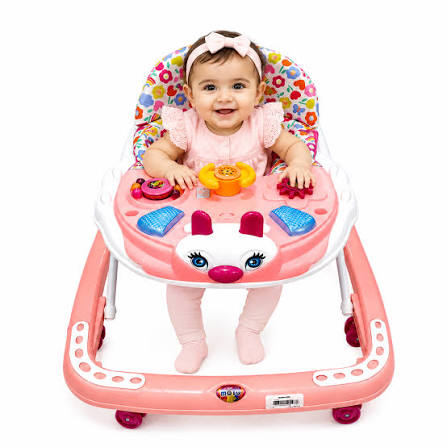
How Should Baby Toys Be Stored? A Complete Guide for Parents
Introduction
Baby toys help children explore their surroundings, develop motor skills, and learn through play. However, keeping toys clean, organized, and safely stored is important for maintaining a healthy environment for babies. Proper storage also makes it easier for parents to find toys, reduce clutter, and keep small or potentially dangerous items out of reach.
The best way to store baby toys depends on the child’s age, the type of toy, the available space, and how frequently the toys are used. From soft toys and rattles to teething toys and building blocks, each category may require a different storage method.
1. Choose Safe Storage Containers
Selecting the right storage container is the first step in organizing baby toys. Containers should be durable, easy to clean, and suitable for the child’s age and environment.
Popular options include:
- Plastic storage boxes: Useful for organizing lightweight toys, rattles, blocks, and bath toys. Choose sturdy containers with smooth edges.
- Fabric storage baskets: Suitable for soft toys, plush animals, and lightweight items.
- Open shelves: Allow parents to organize toys where they can easily see and access them.
- Toy storage bins: Help separate toys by type, size, or purpose.
- Small organizers: Useful for keeping accessories together, provided they remain inaccessible to babies who could swallow small parts.
Avoid containers with sharp edges, heavy lids, accessible hinges that can trap fingers, or designs that create a risk of entrapment. Large toy boxes should not be used in a way that allows a baby to climb inside.
2. Clean Baby Toys Before Storing Them
Baby toys frequently come into contact with hands, mouths, floors, and other surfaces. Cleaning them regularly helps remove dirt and reduce the spread of germs.
Different materials require different cleaning methods.
Plastic Toys
Wash washable plastic toys with soap and water according to the manufacturer’s instructions. Some toys may be suitable for dishwasher cleaning, but electronic components and toys with batteries should never be submerged unless specifically designed for it.
Soft Toys
Check the care label before washing plush toys. Machine-washable toys can be cleaned according to the manufacturer’s instructions and dried thoroughly before storage.
Teething Toys
Clean teething toys according to the product instructions. Check for cracks, tears, or deterioration, and replace damaged items.
Bath Toys
Drain bath toys after use and allow them to dry completely. Toys that retain water can develop mould, especially when stored in a closed container while wet.
Important: Always allow toys to dry fully before placing them in closed storage boxes to help prevent mould and unpleasant odours.
3. Keep Different Types of Toys Separate
Organizing toys by category makes storage easier and helps parents identify damaged or missing items.
Consider separating toys into these groups:
- Soft toys and stuffed animals
- Rattles and sensory toys
- Teething toys
- Bath toys
- Activity and musical toys
- Building blocks and larger play pieces
- Books and early-learning toys
Keep small parts away from babies and young children who may put objects in their mouths. Toys with detachable pieces should be checked against the manufacturer’s age recommendations and relevant choking-hazard guidance.
For households with children of different ages, store toys containing small parts separately from toys intended for babies.
4. Store Baby Toys in a Dry, Well-Ventilated Place
Storage conditions can affect the cleanliness and durability of baby toys. A damp or poorly ventilated area may encourage mould growth, while prolonged sunlight can fade colours or damage certain materials.
Follow these storage practices:
- Choose a clean, dry location.
- Keep toys away from leaking pipes and damp walls.
- Avoid storing toys in direct sunlight for long periods.
- Make sure toys are completely dry before putting them away.
- Leave adequate ventilation around storage areas.
- Check toys periodically for moisture, damage, or unusual smells.
In hot and humid environments, including parts of the UAE, extra care may be needed to prevent moisture from becoming trapped in closed containers.
5. Use Child-Safe Storage Solutions
Toy storage should make life easier for parents without creating additional hazards for babies.
Low, open shelves can be useful when adults supervise play and arrange toys appropriately. However, furniture and shelving should be securely anchored to prevent tipping.
Avoid placing heavy storage boxes on high shelves where they could fall. Keep plastic bags, cords, loose straps, and packaging materials out of reach because they can pose suffocation or strangulation risks.
For babies who are not yet mobile, parents should still consider how storage arrangements may change as the child begins crawling, pulling up, and climbing.
6. Organize Toys According to the Baby’s Age
A baby’s developmental stage affects which toys should be accessible and how they should be stored.
Newborns to 6 Months
Store suitable rattles, soft toys, and sensory toys in a clean, accessible place for adults. Follow age recommendations and avoid loose bedding, pillows, and soft toys in the baby’s sleep space.
6 to 12 Months
As babies begin crawling and exploring, keep frequently used toys in an organized area. Remove damaged toys and ensure small objects, detachable pieces, and unsuitable toys remain out of reach.
12 Months and Older
Toddlers may begin helping with simple cleanup under adult supervision. Use lightweight containers that are easy for adults to handle and avoid storage designs that can tip over or trap fingers.
Age ranges are general guidelines. Always follow the individual toy’s age label and safety instructions.
7. Store Bath Toys Properly
Bath toys require special attention because they are regularly exposed to water.
After bath time, empty any water trapped inside toys where possible, rinse them as recommended, and allow them to dry completely. Store them in a well-ventilated holder rather than a sealed container while they are still damp.
Inspect toys with holes or internal cavities for signs of mould or deterioration. Replace toys that cannot be cleaned properly or show damage.
8. Inspect and Replace Damaged Toys
Even well-stored toys can become unsafe through regular use. Inspect them periodically, particularly toys used for teething or mouthing.
Look for:
- Cracks or sharp edges
- Loose buttons, eyes, or decorative pieces
- Broken seams or exposed stuffing
- Damaged battery compartments
- Peeling coatings or flaking paint
- Mould, persistent odours, or material deterioration
Remove damaged toys immediately. Do not assume that cleaning or repairing a damaged toy will make it safe for a baby.
9. How to Store Baby Toys in Small Spaces
Families living in apartments or homes with limited storage can still keep toys organized.
Use vertical storage: Secure shelves to the wall and place heavier items on lower shelves.
Choose stackable containers: Stack boxes only when they are stable and cannot fall onto a child.
Rotate toys: Keep a selection of suitable toys available and store the rest in a clean, dry location. Check stored toys before returning them to play.
Use separate baskets: Keep soft toys, books, and larger play items in separate containers.
Avoid overcrowding: Overfilled baskets make toys harder to remove and can damage fragile items.
Remember that storage solutions should never block exits, create trip hazards, or provide climbing access to unsafe heights.
Frequently Asked Questions
Should baby toys be stored in plastic boxes?
Yes, suitable plastic boxes can be useful for storing clean, dry toys. Choose containers without sharp edges or unsafe lids, and avoid sealing damp toys inside.
How often should baby toys be cleaned?
Cleaning frequency depends on the toy and how it is used. Clean toys that become visibly dirty, are mouthed frequently, or are shared between children as appropriate. Follow the manufacturer’s cleaning instructions.
Is it safe to store baby toys in a bedroom?
Yes, provided the storage arrangement is safe and does not create hazards. Keep toys out of the baby’s sleep space, particularly loose soft toys and other items that may pose a suffocation risk during sleep.
How should soft baby toys be stored?
Wash them when needed according to the care label, dry them completely, and store them in a clean, dry basket or container away from dampness and prolonged direct sunlight.
Can baby toys be stored in a closed cupboard?
Yes. A clean, dry cupboard can work well. Make sure toys are fully dry before storage and keep hazardous products, small parts, and unsuitable toys out of the baby’s reach.
Conclusion
Proper baby toy storage helps parents maintain a cleaner, safer, and more organized home. Choose suitable containers, clean toys according to their materials, separate different toy categories, and store everything in a dry location.
Most importantly, inspect toys regularly and arrange storage according to the baby’s developmental stage. By combining good hygiene with child-safe storage practices, parents can keep baby toys organized and ready for everyday play.




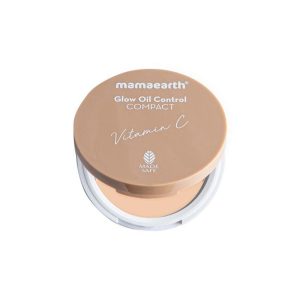 Glow Oil Control Compact SPF 30 with Vitamin C