

Are wireless security cameras better than wired cameras
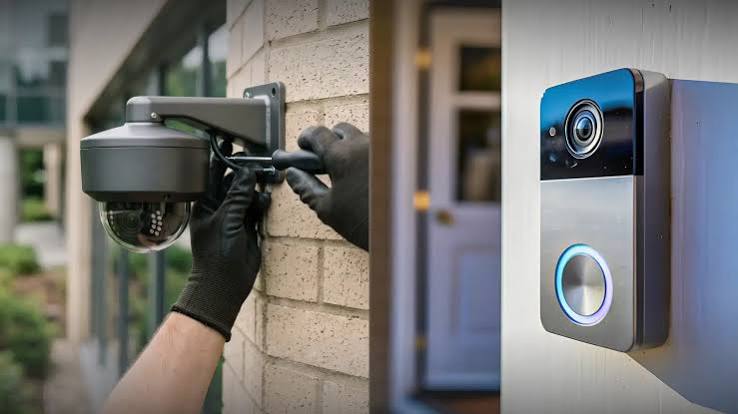
Are Wireless Security Cameras Better Than Wired Cameras?
Choosing the right security camera is important for protecting homes, offices, shops, warehouses, and commercial properties. Two common options are wireless and wired security cameras. Both provide monitoring and surveillance, but they differ in installation, connectivity, reliability, maintenance, and cost.
So, are wireless security cameras better than wired cameras? The answer depends on your security needs, property size, internet connection, and installation requirements.
Let’s compare both options to help you make the right decision.
What Are Wireless Security Cameras?
Wireless security cameras use Wi-Fi or another wireless network to transmit video to a recording device, mobile application, or cloud storage service. Many models also use rechargeable or replaceable batteries, while others require a power cable.
They are commonly used in homes, small offices, shops, and locations where installing network cables is difficult.
Benefits of Wireless Security Cameras
- Easy installation: They generally require fewer cables and less installation work.
- Flexible placement: Cameras can be installed in different locations within wireless network range.
- Remote monitoring: Users can view live footage through a mobile phone or computer.
- Easy expansion: Additional cameras can often be added without installing extensive network cabling.
- Modern features: Many models include motion detection, night vision, two-way audio, and mobile alerts.
Disadvantages of Wireless Security Cameras
- They depend on a stable wireless connection for network-based features.
- Wi-Fi interference can affect video transmission.
- Battery-powered models need regular charging or battery replacement.
- Some models require cloud subscriptions for certain features.
- Wireless signals may be vulnerable if network security is poorly configured.
What Are Wired Security Cameras?
Wired security cameras connect to a recording system or network using physical cables. Common options include traditional coaxial CCTV systems and IP cameras connected through Ethernet cables.
Many wired IP cameras use Power over Ethernet (PoE), which allows one Ethernet cable to carry both power and data.
They are widely used in offices, factories, warehouses, shopping centres, and large residential properties.
Benefits of Wired Security Cameras
- Stable connection: Physical cables provide reliable video transmission.
- Consistent power: Most wired systems do not depend on rechargeable camera batteries.
- Suitable for large systems: They can support multiple cameras across larger properties.
- Reliable recording: They can connect to local recording devices such as DVRs or NVRs.
- Less wireless interference: Their video connection does not depend on Wi-Fi signals.
Disadvantages of Wired Security Cameras
- Installation can require drilling and cable routing.
- Professional installation may increase initial costs.
- Moving cameras can be more difficult.
- Damaged cables may interrupt video or power connections.
- Adding cameras can require additional cabling and network capacity.
Wireless vs Wired Security Cameras: Key Differences
| Feature | Wireless Cameras | Wired Cameras |
|---|---|---|
| Installation | Generally easier | More complex |
| Connectivity | Wi-Fi or wireless network | Physical cable |
| Power supply | Battery or power adapter | Usually cable or separate power |
| Reliability | Depends on wireless signal | Generally more stable |
| Flexibility | Easier to reposition | More difficult to move |
| Maintenance | May require battery charging | Requires cable and system checks |
| Best for | Homes and smaller properties | Offices and large properties |
| Recording | Cloud or local storage, depending on model | Commonly DVR or NVR storage |
Which Security Cameras Are Better for Different Properties?
The best option depends on the environment and the level of security required.
1. Homes and Apartments
Wireless security cameras are often a convenient option for homes and apartments. They are easier to install and allow homeowners to monitor entrances, gardens, garages, and indoor spaces through mobile applications.
However, wired cameras may be better for permanent installations where continuous recording is important.
2. Offices and Commercial Buildings
Wired IP cameras are often suitable for offices and commercial buildings because they provide stable connections and can be integrated into larger surveillance systems.
Wireless cameras can also be useful in smaller offices or areas where cable installation is difficult.
3. Warehouses and Factories
Wired cameras are generally a strong choice for warehouses and factories. These properties may require continuous monitoring across large areas, including loading bays, storage sections, entrances, and production floors.
A properly designed wired system can provide dependable connectivity and centralised recording.
4. Shops and Retail Stores
Both types can work well in retail environments. Wireless cameras may suit small shops, while wired systems can be more practical for larger stores that need several cameras covering entrances, checkout counters, and storage areas.
What Factors Should You Consider Before Choosing a Security Camera?
Before purchasing a security camera system, consider the following points:
- Property size: Larger properties may benefit from a wired surveillance network.
- Internet connection: Wireless models need suitable network coverage for remote features.
- Power availability: Check whether the installation area has accessible power outlets.
- Recording requirements: Decide whether you need continuous recording or motion-based recording.
- Video quality: Compare resolution, night vision, and image clarity.
- Storage: Consider local storage, NVR systems, memory cards, and cloud options.
- Security features: Look for encryption, strong passwords, secure applications, and regular firmware updates.
- Budget: Include camera prices, installation, storage, maintenance, and any subscription fees.
Are Wireless Security Cameras More Expensive Than Wired Cameras?
Not necessarily. The price depends on the camera brand, resolution, features, storage options, and installation requirements.
Wireless cameras may have lower installation costs because they often require less cabling. However, battery replacements, cloud subscriptions, and additional network equipment can increase long-term expenses.
Wired cameras may require a higher initial installation investment, especially when cables need to pass through walls or ceilings. However, they can be economical for larger systems that need continuous monitoring.
It is best to compare the total cost of ownership rather than looking only at the camera’s purchase price.
Frequently Asked Questions
1. Do wireless security cameras work without Wi-Fi?
Some wireless cameras can record locally using a memory card, but remote viewing and cloud features usually require a network connection. The exact capabilities depend on the model.
2. Can wired security cameras work without the internet?
Yes. Many wired CCTV systems can record footage locally through a DVR or NVR without an internet connection. However, remote access generally requires internet connectivity.
3. Are wireless cameras suitable for outdoor use?
Yes. Many wireless cameras are designed for outdoor installation. Check their weather-resistance rating, operating temperature, power supply, and wireless signal coverage before installation.
4. Which cameras are better for 24-hour recording?
Wired cameras are often more suitable for continuous recording because they generally have a consistent power supply and stable connection. Some wireless models also support continuous recording when connected to external power.
5. Can wireless and wired cameras be used together?
Yes. Many modern surveillance systems support a combination of wired and wireless cameras. This can help cover areas where cable installation is practical as well as locations where wireless installation is more convenient.
Conclusion
Wireless security cameras are a convenient choice for homes, small offices, and locations that need flexible installation. Wired security cameras are often better suited to larger properties, warehouses, factories, and businesses that require stable connectivity and continuous monitoring.
Neither option is always better. The right choice depends on property size, recording requirements, internet coverage, power availability, and budget. Comparing these factors before installation can help you build a reliable security system that meets your needs.









 Plastic aqua cool Water Bottle for Gym