
What quality standards do Deewa oils follow?
What Quality Standards Do Deewa Oils Follow?
Quality is an important factor when choosing oils for cooking, skincare, and hair care. Customers want products that are pure, properly processed, hygienically handled, and suitable for their intended use. Deewa Oil Products focuses on traditional oil preparation methods and product purity to meet these expectations.
From selecting raw materials to processing and packaging, several quality considerations help maintain the freshness and reliability of oil products.
1. Careful Selection of Raw Materials
The quality of an oil begins with the raw materials used to produce it. Good-quality seeds, nuts, and other natural ingredients are important for obtaining oil with suitable characteristics.
Deewa Oil Products highlights the use of carefully selected seeds and traditional extraction methods. Choosing clean and suitable raw materials helps maintain the natural qualities of the finished product.
2. Cold-Pressed Extraction Methods
Extraction methods can affect the quality and natural properties of oils. Cold pressing is a mechanical process that extracts oil without using high processing temperatures.
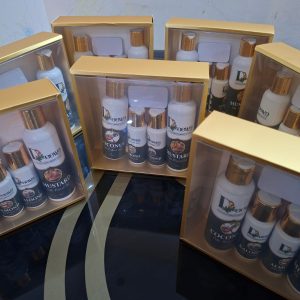
Deewa’s mustard oil product is described as cold-pressed, a method commonly selected to help preserve the oil’s natural characteristics. This approach is particularly relevant to customers looking for traditionally processed oils.
3. Focus on Purity
Oil purity is another important quality consideration. Customers generally prefer oils without unnecessary additives, artificial colours, or unwanted substances.
Deewa’s product information describes its mustard oil as pure and free from additives and chemicals. Maintaining product purity requires suitable raw materials, controlled processing, and proper handling.
4. Hygienic Production and Handling
Clean production conditions help protect oil products from dust, moisture, and contamination.
Important hygiene practices include:
- Keeping processing equipment clean.
- Maintaining hygienic production areas.
- Using clean storage containers.
- Protecting oils from dust and moisture.
- Handling finished products carefully during packaging.
These practices help maintain product quality from production to delivery.
5. Proper Storage and Packaging
Packaging plays an important role in protecting oils from external conditions. Exposure to heat, air, light, and moisture can affect oil quality over time.
Suitable packaging should:
- Use clean, food-appropriate containers for edible oils.
- Prevent leakage and contamination.
- Close securely after filling.
- Include product names and relevant usage information.
- Display manufacturing and expiry dates where applicable.
Proper storage recommendations also help customers maintain oil quality after purchase.
6. Product-Specific Quality Considerations
Different oils have different uses and quality requirements. For example:
- Mustard oil: Customers may consider its purity, aroma, colour, and suitability for cooking or external use.
- Coconut oil: Important considerations include its extraction method, freshness, texture, and intended application.
- Almond oil: Customers may look for suitable processing, purity, and packaging for skincare or hair care.
Quality checks should match the type of oil and its intended purpose.
7. Compliance and Quality Testing
Reliable oil production should include appropriate quality checks. Depending on the product and its intended use, these may include:
- Checking raw materials before processing.
- Inspecting colour, smell, and appearance.
- Testing for moisture and impurities.
- Checking for contamination or adulteration.
- Reviewing packaging and storage conditions.
- Maintaining production and batch records.
For edible oils, applicable food-safety requirements and laboratory testing are especially important.
Customers can also ask manufacturers about available laboratory reports, product specifications, and relevant certifications.
Frequently Asked Questions
1. Are Deewa oils cold-pressed?
Deewa’s mustard oil product information describes it as cold-pressed. Customers should check the individual product details for the extraction method used for other oils.
2. Are Deewa oils free from additives?
The product description for Deewa mustard oil states that it is free from additives and chemicals. Customers should check the label and product information for confirmation of the ingredients in each oil.
3. Why is hygienic oil production important?
Hygienic production helps prevent contamination and protects oil quality during extraction, handling, storage, and packaging.
4. How can customers check the quality of an oil?
Customers can review the ingredient list, packaging, manufacturing and expiry dates, product specifications, and available laboratory test reports. They should also purchase oils from reliable sellers.
5. Do quality standards differ between edible and cosmetic oils?
Yes. Edible oils must meet applicable food-safety requirements, while cosmetic oils must be suitable for their intended external use and comply with relevant cosmetic product requirements.
Conclusion
Quality oil production depends on suitable raw materials, appropriate extraction methods, purity, hygienic handling, and proper packaging. Deewa Oil Products highlights traditional processing, cold-pressed mustard oil, and a focus on purity in its product information.
Customers looking for mustard, coconut, or almond oil should review the specifications of each product and ask about available quality reports and certifications to make an informed purchasing decision.